2 minute read
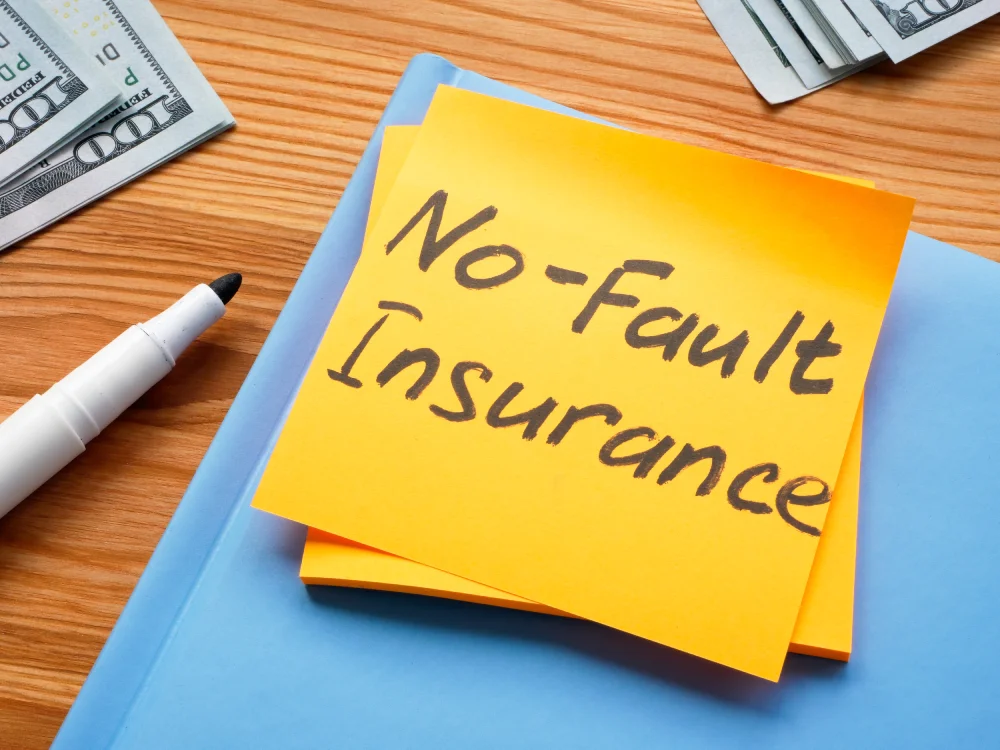
If you live in a “no-fault” insurance state like Florida, you might believe this means that someone who caused an accident isn’t responsible for the damages. However, this is simply not true. Law enforcement analyzes the details of the accident based on witness accounts and property damage to hold the person who caused the accident responsible for their reckless behavior. Below, we discuss how no-fault insurance works and why establishing fault in a Florida car accident is integral to filing a claim for damages.
Injured in a car accident in Florida? Contact our Winter Park personal injury lawyer to discuss your case.
Who Pays for Car Accident Damage in Florida?
Florida is one of 12 no-fault insurance states. No-fault insurance provides partial compensation for medical expenses and damages from your own insurance company, reducing the number of accident-related lawsuits that go through the court system. In Florida, you must have at least $10,000 in Personal Injury Protection (PIP) and Property Damage Liability to drive in the state legally. The primary benefit of no-fault insurance is receiving compensation for your injuries faster than other insurance systems. By going through your own insurance, you don’t have to wait for insurance companies to haggle over who is more at fault for the accident before receiving compensation.
What Does “No-Fault” Insurance Cover?
PIP coverage pays 80% of your necessary and reasonable medical expenses. PIP coverage also pays a percentage of your lost wages and 100% of replacement costs if your car is totaled in an accident. These coverages apply to you and any passengers in your vehicle at the time of the crash. It also applies to any authorized user of your car. PIP coverage pays for medical expenses like doctor’s appointments, surgeries, diagnostic scans, prescriptions, therapies, blood work, hospital stays, and emergency transportation.
Why Determining Fault Matters in a No-Fault State
Your PIP coverage only reimburses you for 80% of your medical expenses up to your policy limits. However, if you’re injured in an accident that wasn’t your fault, you shouldn’t fit the bill for the difference. When you’ve exhausted your PIP coverage, you’ll need to work with a Winter Park personal injury lawyer to file a claim against the at-fault driver’s insurance company for compensation for your injuries beyond what your insurance covers. Here are the other reasons why determining who’s at fault in a Florida car accident matters:
Recovering Non-Economic Damages
PIP only covers tangible economic damages related to your medical expenses and property damage. It doesn’t provide compensation for damages such as:
- Enjoyment of life
- Loss of earning potential
- Pain and suffering
- Therapies to treat mental health conditions
These non-economic damages focus on the emotional impact the accident had on your lifestyle and daily activities now and in the future. Your car accident attorney will present evidence that shows all the damages you suffered from an accident, both seen and unseen.
Compensation for Expenses Outside of Policy Limits
If you’re seriously injured in a car accident, you can quickly exhaust your policy limits (sometimes after one hospital stay or surgery), even if you have uninsured/underinsured motorist coverage. When you’ve reached your policy limit, you need to file a claim with the at-fault driver’s insurance for additional compensation.
Reimbursing Additional Damages
Since PIP coverage only covers 80% of your medical bills, one of the damages your Winter Park personal injury attorney will help you recover your out-of-pocket expenses. Also, your insurance may not cover additional damages, such as a rental car, a replacement car seat, child care services, house cleaning, lawn maintenance, and travel expenses. When you make your claim, you can request compensation for these types of damages.
Determining Final Settlement Amount
Florida is a modified comparative fault state. Comparative fault compares each driver’s actions to see who contributed the most to the accident. The other driver must be at least the majority at fault for the accident to recover any damages. The other party’s actions must have contributed at least 51% to the accident for you to receive any payment from the at-fault party. Your final settlement amount will be diminished by the amount of fault your actions contributed to the accident.
Michael Brady Lynch Firm: Winter Park Personal Injury Lawyer
There are many reasons why determining who is at fault for a car accident is important, even in a no-fault state. The driver who caused the accident is responsible for paying for your additional out-of-pocket expenses that your insurance doesn’t cover. If you’ve used up your insurance benefits but are not at fault for the accident, contact our team at the Michael Brady Lynch Firm. We can help you receive the compensation you’re entitled to after you’ve been injured in an accident. Call our office today at 888-585-5970 for a free consultation.
Date: June 10, 2025
Attorney & Editor-In-Chief: Brandon Salter