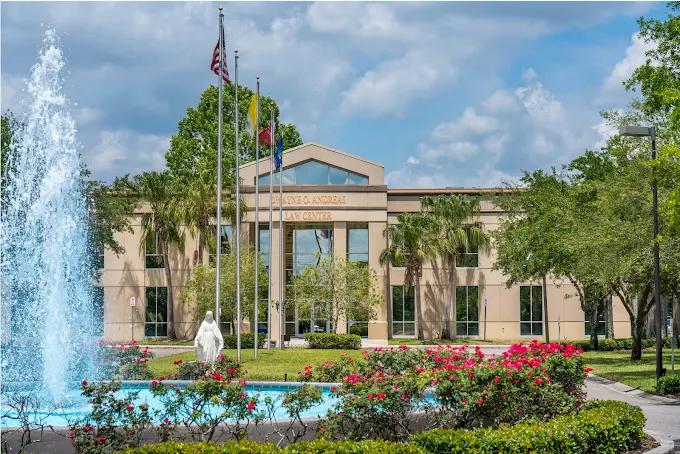
What Occurred:
On February 18, 2026, Barry University School of Law Professor Glen-Peter Ahlers (age 70, employed since approximately 2002 and serving in administrative roles including Interim Associate Dean for Information Services) was arrested on 50 counts of Unlawful Possession of Material Depicting Sexual Performance by a Child. The Orange County Sheriff’s Office affidavit details a NCMEC cybertip from Dropbox leading to search warrants. Investigators allegedly recovered dozens of files from Ahlers’ Dropbox account, external hard drives, and other devices. The material is described as depicting minors (some infants or toddlers) in graphic sexual acts. A “hidden” folder on his cell phone reportedly contained four images of a white female presumed to be a Barry University student. Ahlers was placed on immediate administrative leave by the university, which has stated it is cooperating with law enforcement.
Additional context outside of his current charges (not in the affidavit but publicly discussed):
- In 1988 (age 33), he faced a North Carolina misdemeanor charge for secret peeping.
Barry University, a private Catholic institution, has stated Ahlers has been on leave pending review. No conviction has occurred; these are allegations at the probable-cause stage.
Action that Can be Taken
Florida law holds employers liable when they “knew or should have known” an employee posed a danger and failed to act (see Garcia v. Duffy, 492 So. 2d 435 (Fla. 2d DCA 1986)).
Universities owe students a duty of reasonable care to provide a safe educational environment. Student complaints, the 1988 conviction, and the mandatory selfie assignment could all be evidence that Barry breached that duty. Damages may include emotional distress, privacy violations (especially for female students whose selfies were required), and the diminished value of classes taken under Ahlers.
Because Barry receives federal funding, Title IX applies. If Ahlers’ conduct created a sexually hostile environment and the university responded with “deliberate indifference,” the school can be held liable (see Davis v. Monroe County Bd. of Educ., 526 U.S. 629 (1999)). The alleged photos of a Barry student in his hidden folder significantly strengthen this claim.
- Breach of Educational Contract
Your student handbook and tuition agreement promise a safe, professional learning environment. Retaining a professor with known or knowable risks may constitute a breach — potentially entitling students to tuition refunds or other damages for classes tainted by the scandal.
While Florida’s “impact rule” is strict, courts recognize exceptions in cases involving a special student-university relationship and fear for personal safety/privacy.
Injury Criteria
You may have a viable legal claim if you experienced one or more of the following as a result of the university’s actions or inaction:
Emotional or Psychological Harm
- Anxiety, distress, fear, or trauma arising from learning that a professor had access to or possessed child sexual abuse material.
- Ongoing stress, loss of sleep, or need for counseling or psychological treatment connected to the situation.
Invasion of Privacy or Fear of Personal Exploitation
- Submission of required personal photos, videos, or sensitive materials in connection with coursework.
- Reasonable fear that personal images or information may have been accessed, stored, or misused.
Educational Harm
- Diminished value of tuition or coursework due to the professor’s removal, investigation, or the tainting of the academic environment.
- Disruption of studies, delayed graduation, or the need to retake courses or transfer.
Hostile or Unsafe Educational Environment
- Feeling unsafe, intimidated, or unable to participate fully in classes or campus activities.
- Avoidance of classes, facilities, or academic programs due to fear or distress.
Out-of-Pocket Losses
- Costs for counseling, therapy, or medical treatment.
- Expenses related to transferring schools, retaking courses, or extending enrollment.
Reputational or Professional Impact
- Harm to academic standing, professional opportunities, or career prospects caused by association with the scandal or disrupted education.
Other Compensable Harm
- Any additional losses recognized under Florida law, including emotional distress, loss of educational opportunity, or related damages tied to the university’s alleged negligence or deliberate indifference.
Real-World Precedent: Schools Have Paid Millions in Similar Cases
Universities across the country have settled or lost jury verdicts for failing to act on faculty misconduct. Barry, a private institution, has no sovereign immunity and can be sued like any corporation.
What Should You Do Right Now?
If you are a current or former Barry University law student and believe you were harmed, exposed, or placed at risk by the university’s handling of Professor Ahlers, you may have legal rights. The Michael Brady Lynch Firm is available to discuss potential claims involving negligent retention, Title IX violations, or related misconduct. To discuss your options, call 888-585-5970 or email brandon@mblynchfirm.com for a confidential consultation.
Attorney and Editor-in-Chief: Brandon Salter