After an accident, individuals may experience headaches, confusion, dizziness, blurred vision, memory issues, mood changes, or difficulty concentrating. Sensitivity to light or noise may also develop. Without timely evaluation, these symptoms can worsen and interfere with daily functioning, potentially affecting both short-term recovery and long-term well-being.
Traumatic Brain Injury
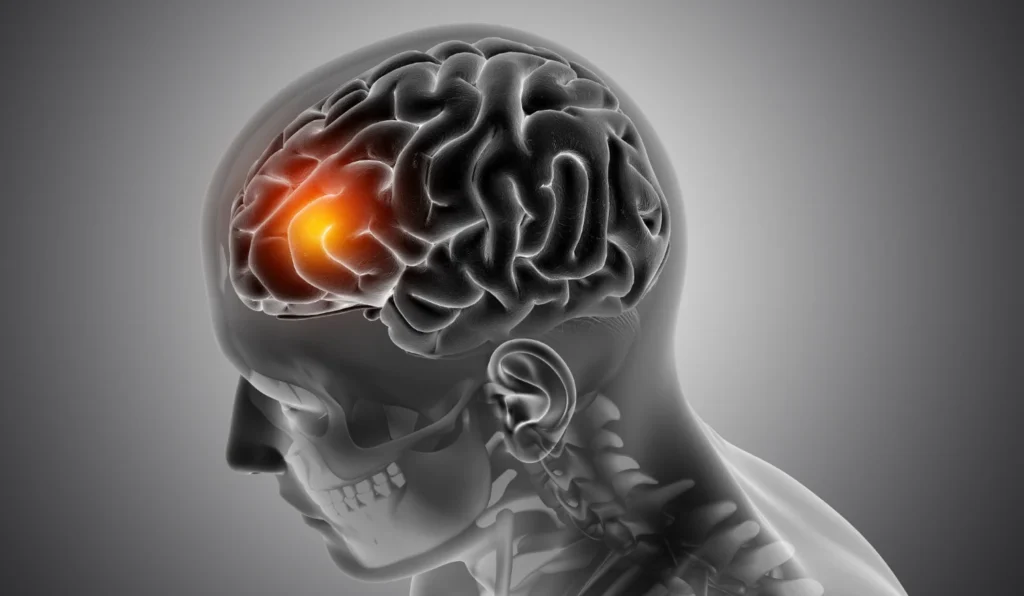
Traumatic Brain Injury
A traumatic brain injury (TBI) is one of the most serious and life-altering injuries a person can suffer. Often caused by sudden impact or violent motion of the head, TBIs can occur in a variety of situations — most commonly motor vehicle accidents, workplace incidents, or falls.
Even when there is no visible head wound, the force of an accident can disrupt normal brain function and lead to long-term complications affecting memory, behavior, mobility, and overall quality of life.
Understanding Traumatic Brain Injuries
Traumatic brain injuries (TBIs) affect millions of individuals each year and can range from mild concussions to severe trauma resulting in long-term disability. These injuries may occur in situations such as motor vehicle accidents, slip and fall incidents, workplace events, medical complications, sports-related impacts, or other forceful blows. In many cases, symptoms are not immediately visible and may appear hours or even days after the initial incident, making early awareness especially important.
Recognizing the Symptoms
Brain Injuries in Motor Vehicle Accidents
Motor vehicle accidents are among the leading causes of traumatic brain injuries. Even when there is no direct impact to the head, the force of a collision can cause the brain to shift within the skull, leading to concussions or more severe trauma. Over time, individuals may face challenges such as cognitive difficulties, emotional changes, chronic discomfort, or limitations that affect their ability to work and perform everyday tasks.
Long-Term Effects of TBI
While some individuals recover fully, others may experience lasting effects including memory loss, speech difficulties, reduced motor coordination, emotional distress, or personality changes. These long-term consequences can influence relationships, independence, and professional life, often requiring continued support or care.

Determining Responsibility
Evaluating who may be responsible for a traumatic brain injury often involves examining factors such as negligent driving, unsafe work environments, defective equipment, or poorly maintained premises. Establishing accountability typically requires a thorough review of the circumstances surrounding the incident.
The Importance of Acting Early
Traumatic brain injuries may require ongoing medical care, rehabilitation, and lifestyle adjustments. Acting promptly can help preserve critical information such as medical records, incident documentation, and witness statements, all of which may play an important role in understanding the full impact of the injury and the options available moving forward.
Free Consultation
If you or a loved one has suffered a traumatic brain injury, early guidance can make a meaningful difference.
Contact The Michael Brady Lynch Firm today for a free, no-obligation consultation to discuss your situation and explore your next steps.
Get Trusted Legal Insights
Join our mailing list to receive helpful legal resources, firm updates, and important announcements. We’re here to keep you informed every step of the way.